Uber XL Accident Lawyer: Not a Truck Crash, But How Isaacs & Isaacs Navigates Rideshare Insurance & Fights Negligence
Last updated Saturday, March 7th, 2026
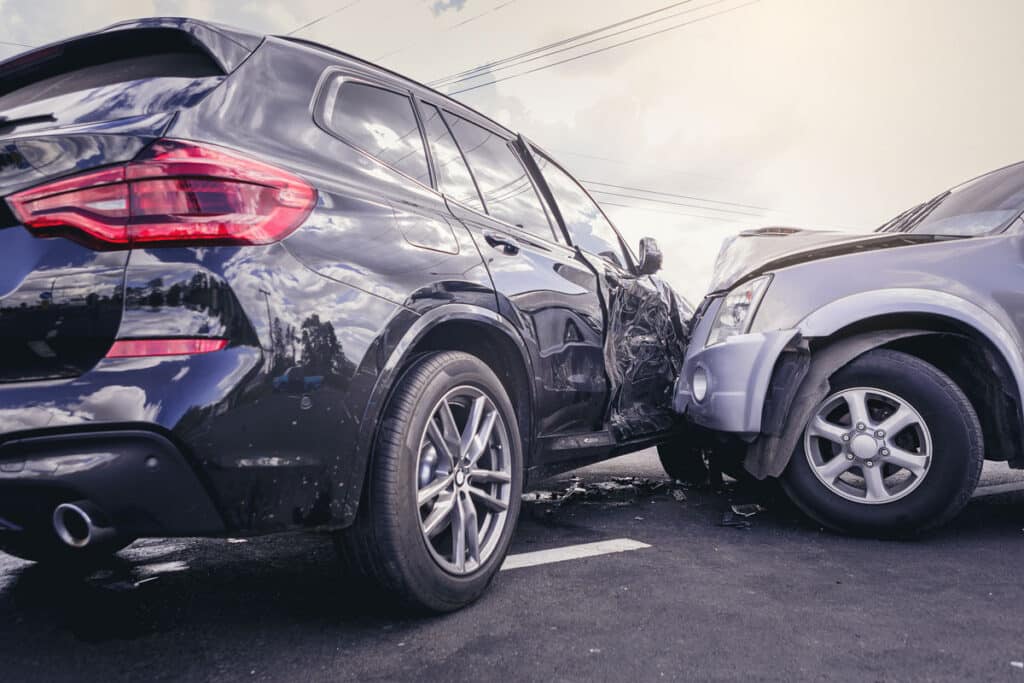
Uber XL vehicles are larger SUVs or vans that can seat up to six passengers, and crashes involving them can cause serious injuries due to their size and speed. While not classified as trucks, Uber XL accidents share some similarities with commercial vehicle claims because they involve rideshare insurance policies and potential corporate liability. Isaacs & Isaacs fights fearlessly against the negligent, no matter what.
Is an Uber XL Accident Considered a Truck Accident?
No, an Uber XL crash is not legally a “truck accident” in the same way as a semi‑truck or delivery truck collision.
- Uber XL vehicles are typically passenger vans or SUVs, not commercial trucks subject to the same federal trucking regulations.
- However, because they operate as for‑hire commercial passenger vehicles, they carry much higher insurance limits than personal cars—often $1 million in liability coverage.
The case is treated as a rideshare accident, with fault determined by standard negligence rules: who violated traffic laws, caused the crash, or failed to use reasonable care.
Understanding Uber XL Insurance Coverage
Uber provides layered insurance that activates based on the driver’s status and who is at fault:
- Period 1 (app open, no ride): Limited liability coverage.
- Period 2 (ride accepted, en route to passenger): $1M liability, uninsured/underinsured motorist coverage.
- Period 3 (passenger in vehicle): Full $1M liability coverage for bodily injury and property damage if the Uber driver is at fault.
If the Uber XL driver causes the crash, Uber’s commercial policy typically responds first, but the driver’s personal insurance may also be involved. If another driver is at fault, your underinsured motorist coverage or the at‑fault party’s policy may apply.
Key Challenges in Uber XL Injury Claims
Rideshare accident cases present unique hurdles that require experienced legal navigation:
- Disputed fault: Uber and insurers often blame passengers, other drivers, or road conditions to avoid paying claims.
- Multiple policies: Sorting out which insurance covers what, including Uber’s primary policy, excess coverage, and personal auto insurance.
- Evidence issues: Uber apps delete trip data after a short time, so preserving electronic records, GPS routes, and driver ratings is critical.
Passengers injured in Uber XL crashes can pursue compensation for medical bills, lost income, pain and suffering, and other losses caused by negligence.
Who Can Be Held Responsible?
When the Uber XL driver or another party is negligent, liability may extend to:
- The Uber driver, for careless driving, fatigue, or phone distraction.
- Uber itself, in some cases where company policies or app design contributed to the crash.
- Third parties, such as other motorists, property owners, or vehicle manufacturers.
How Isaacs & Isaacs Fights Fearlessly for Uber XL Victims
Uber XL accident claims involve massive insurance companies, complex policy language, and corporate defenses designed to minimize payouts. Isaacs & Isaacs fights fearlessly against the negligent, no matter what, by:
- Immediately securing trip data, dashcam footage, witness statements, and black box information before it disappears.
- Analyzing Uber’s insurance policies and the driver’s status to identify all available coverage and pursue the maximum limits.
- Building a clear negligence case with accident reconstruction, medical experts, and safety analysis to prove fault and injury impact.
If you were hurt in an Uber XL accident, Isaacs & Isaacs can help you navigate Uber insurance, overcome corporate obstacles, and secure the compensation you deserve.


 In Your Community