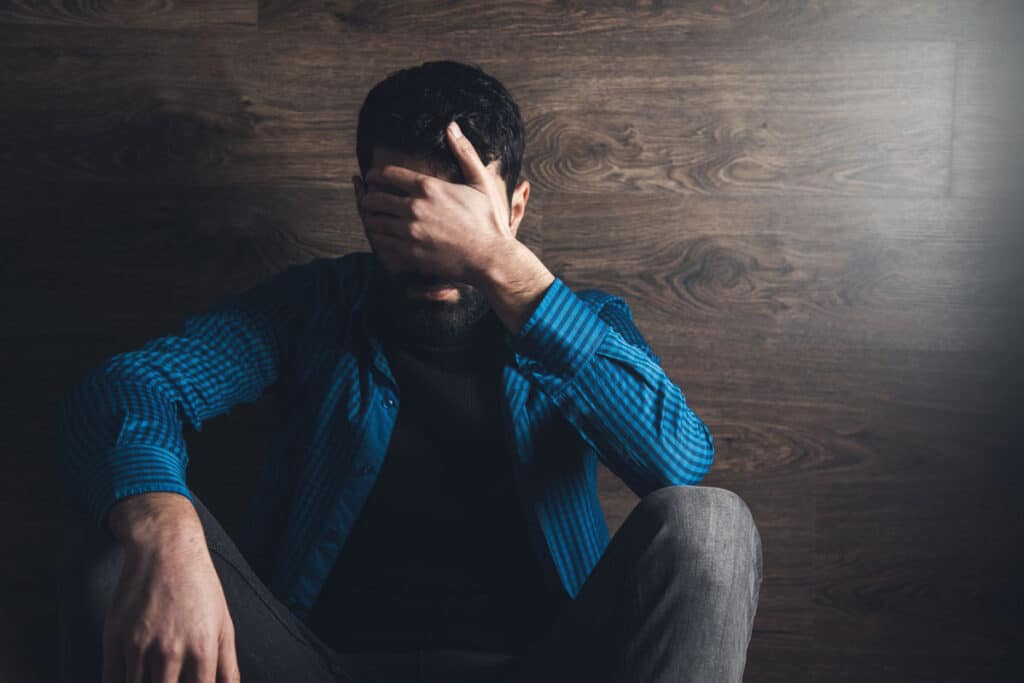
Sexual assault is a deeply personal and traumatic experience that can affect anyone, regardless of gender. For men, coping with the aftermath often brings a complex mix of emotions and physical reactions. Because of social expectations and cultural stigmas, many men struggle to recognize or express these emotions, sometimes delaying healing or support. Understanding common reactions can help you or someone you care about take the first steps toward recovery.
Emotional and Psychological Reactions
Many men experience intense feelings of shock and disbelief immediately after an assault. It can take time to process what happened, and some may try to convince themselves it wasn’t as serious as it feels. Denial is a normal coping mechanism, but over time, unresolved trauma can lead to anxiety, anger, sadness, or emotional numbness.
Self-blame is another frequent reaction. Some men question their actions or worry they could have prevented what occurred. Sexual assault is never your fault. These feelings often come from confusion, shame, or fear of being judged by others.
Physical and Behavioral Responses
Trauma doesn’t just affect the mind; the body can also react in powerful ways. Many men report fatigue, trouble sleeping, sudden panic, or difficulties with concentration. Some may also experience changes in appetite, muscle tension, or unexplained aches and pains. Substance use, such as drinking or drugs, can sometimes become a way to silence recurring memories or intrusive thoughts.
Avoiding certain places, people, or situations that bring back memories of the assault is also common. These behaviors are part of the body’s natural instinct to protect itself, but long-term avoidance can interfere with recovery.
Impacts on Relationships and Self-Image
Sexual assault can deeply affect the way a man views himself and his relationships. Feelings of isolation, distrust, or loss of confidence can emerge, making intimacy and communication difficult. Some men withdraw to avoid talking about what happened because they fear being misunderstood or seen as weak. It’s important to know that reaching out for support is a sign of strength — not weakness.
What Men Actually Do in the Moment
Many men say they would “fight back” or “punch someone in the face” if anyone ever tried to assault them. In reality, many men freeze, feel paralyzed, comply to try to survive, or mentally “check out” rather than fight. The body’s automatic survival response often overrides the idea of physically resisting, and that does not make the experience any less real or serious.
Men often later blame themselves for not fighting back, even though this freeze response (sometimes called tonic immobility) is a well-documented reaction to extreme fear and trauma. Intense anger is common, but many men turn it inward, withdraw, or act out in other areas of life instead of physically confronting the person who harmed them.
Male-Specific Statistics and Silent Reactions
Research shows that sexual assault against men is far more common than many people realize. At least 1 in 6 men have experienced some form of sexual violence in their lifetime, and about 1 in 33 men in the U.S. have experienced attempted or completed rape. Estimates suggest that around 10% of people who experience rape in the U.S. are male, and some studies find lifetime sexual assault rates for adult men ranging from less than 1% to over 8%, depending on the definition used.
Despite these numbers, many men never report what happened. Masculinity stereotypes play a huge role in this silence. Beliefs like “I should have fought back” or “this could never happen to a man” stop many men from acknowledging the assault, even to themselves. Only a small fraction of men who experience sexual assault report it to authorities. Common barriers include fear of not being believed, fear of being seen as weak, fear of homophobic responses, and worry that reporting will damage their identity, relationships, or career.
So when men say “I would have fought,” the reality is that many men in actual situations feel shocked, trapped, or frozen, and then stay quiet afterward because they feel they failed some internal masculinity test. None of this changes the fact that what happened was wrong and that they deserve support, respect, and justice.
Finding Support and Taking Legal Action
Healing after sexual assault takes courage. Speaking with a counselor, therapist, or support group experienced in working with men can help process emotions safely and confidentially. Taking legal action can also be an empowering step toward justice and closure.
At Isaacs & Isaacs Personal Injury Lawyers, our attorneys understand how sensitive and personal this experience is. We provide 100% confidential consultations and are committed to helping you seek justice with compassion and respect. Our goal is to secure the maximum compensation you deserve while protecting your privacy and dignity every step of the way.