
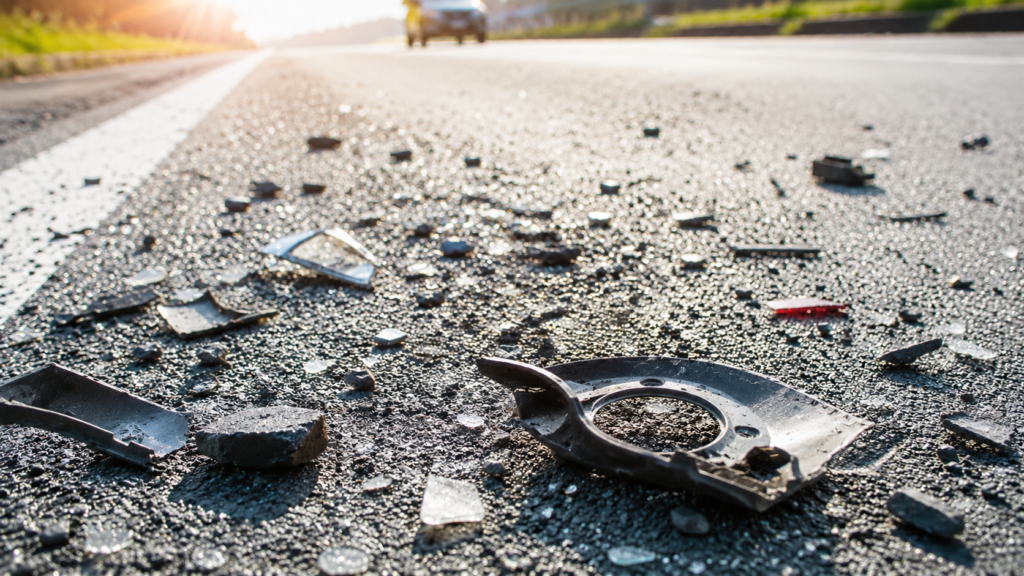
What to Know About Road Hazard Accident Claims
If a pothole, road defect, fallen debris, or other dangerous condition contributed to your crash, you may have grounds for a road hazard accident liability claim. Depending on the circumstances, responsibility may fall on a government agency, contractor, property owner, or another party responsible for maintaining safe roadway conditions.
Why Dangerous Roads Can Lead to More Than Vehicle Damage
Most drivers encounter road hazards from time to time. A pothole may damage a tire, debris may force a sudden lane change, or a poorly maintained roadway may create dangerous driving conditions.
While some incidents result only in minor vehicle damage, others cause serious accidents leading to catastrophic injuries or fatalities. When dangerous road conditions contribute to a crash, victims often wonder whether anyone can be held accountable beyond the drivers involved.
The answer is sometimes yes.
Government agencies, contractors, utility companies, and other parties responsible for road maintenance may bear legal responsibility when dangerous conditions create unreasonable risks. However, these cases often involve unique procedural requirements and legal challenges that differ from ordinary car accident claims.
Understanding how liability works in road hazard accidents can help injured victims protect their rights and pursue compensation.
Key Takeaways
- Road hazard accident liability may extend beyond the drivers involved in a crash.
- Government agencies, contractors, and private parties may be responsible for dangerous roadway conditions.
- Claims against public entities often involve strict notice requirements and deadlines.
- Evidence preservation is critical because road conditions can change quickly after an accident.
- Early legal investigation can significantly strengthen a dangerous road claim.
What Qualifies as a Road Hazard?
A road hazard is any dangerous condition that creates an unreasonable risk for motorists.
Some hazards develop suddenly, while others result from long-term neglect or inadequate maintenance.
Potholes
Potholes are among the most common roadway defects.
Serious potholes may cause:
- Tire blowouts
- Suspension damage
- Loss of vehicle control
- Motorcycle crashes
Large potholes can be particularly dangerous at highway speeds.
Road Debris
Objects left on roadways may include:
- Construction materials
- Vehicle parts
- Cargo spills
- Fallen tree limbs
Drivers often have little time to react when debris appears unexpectedly.
Defective Road Design
Some hazards stem from roadway design issues such as:
- Poor visibility
- Inadequate signage
- Dangerous intersections
- Improper drainage
These conditions may increase accident risks over time.
Construction Zone Hazards
Construction projects may create dangers through:
- Missing warnings
- Unsafe traffic patterns
- Improper barriers
- Equipment left in travel lanes
Construction-related accidents frequently involve multiple potentially responsible parties.
Weather-Related Hazards
While weather itself is generally not a basis for liability, negligent maintenance of drainage systems or failure to address known dangers may contribute to certain claims.
Who Can Be Liable for Dangerous Road Conditions?
Determining responsibility often requires identifying who controlled, maintained, or created the hazardous condition.
Government Agencies
Roadways are often maintained by:
- State agencies
- County governments
- Municipal governments
The responsible entity usually depends on the location of the roadway.
Contractors
Private contractors performing roadwork may be liable when negligence contributes to dangerous conditions.
Examples include:
- Improper repairs
- Unsafe work zones
- Failure to follow safety standards
Utility Companies
Utility providers sometimes perform excavation or repair work near roadways.
Failure to restore roadway surfaces properly may create dangerous conditions.
Property Owners
In certain situations, private property owners may contribute to roadway hazards through:
- Obstructed visibility
- Debris spills
- Dangerous runoff conditions
Can Government Agencies Be Sued After a Road Hazard Accident?
Yes, but special rules often apply.
Government Immunity Limitations
Government entities are generally protected from many lawsuits through sovereign immunity principles.
However, exceptions exist.
When a government agency fails to maintain roads or address known hazards, liability may arise under certain circumstances.
Notice Requirements
One of the most important aspects of a government liability accident claim involves notice requirements.
Indiana’s Tort Claims Act establishes specific procedures and deadlines that must be followed before filing certain claims against public entities.
Failure to comply may jeopardize the ability to recover compensation.
Actual or Constructive Notice
Victims often must demonstrate that the responsible agency knew or should have known about the dangerous condition.
Evidence may include:
- Prior complaints
- Maintenance records
- Inspection reports
- Previous accidents
What Must Be Proven in a Dangerous Road Claim?
Like other personal injury cases, a dangerous road claim requires evidence establishing liability.
Dangerous Condition Existed
The claimant must demonstrate that a hazardous condition was present.
Responsible Party Had Notice
Evidence often must show that the responsible entity knew or should have known about the condition.
Failure to Correct the Problem
Liability frequently depends on whether reasonable steps were taken to repair, warn about, or eliminate the hazard.
The Hazard Caused the Accident
Victims must establish a direct connection between the dangerous condition and the resulting crash.
Damages Resulted
Medical expenses, lost income, pain and suffering, and other losses must be documented.
What Evidence Helps Strengthen a Road Hazard Claim?
Evidence preservation is especially important because hazardous conditions may be repaired shortly after an accident.
Photographs and Videos
Visual evidence may capture:
- Pothole dimensions
- Debris location
- Missing signs
- Construction hazards
Photographs taken immediately after the accident can be extremely valuable.
Accident Reports
Police reports may contain observations regarding road conditions and contributing factors.
Witness Statements
Witnesses may confirm:
- Hazard existence
- Visibility conditions
- Traffic conditions
Maintenance Records
Government or contractor records may reveal:
- Prior complaints
- Inspection histories
- Repair delays
Expert Analysis
Engineering and accident reconstruction experts may help explain how a hazardous condition contributed to the collision.
How Does Indiana Law Affect Road Hazard Cases?
Indiana law creates unique challenges in roadway defect claims.
Indiana Tort Claims Act
Claims involving public entities frequently require compliance with notice provisions before litigation can proceed.
These requirements often involve strict timelines.
Comparative Fault Rules
Indiana follows a modified comparative fault system.
An injured victim generally may recover compensation if they are not more than 50% responsible for the accident.
Insurance companies may attempt to argue that drivers should have avoided the hazard.
Strong evidence can help challenge these arguments.
Multiple Responsible Parties
Some accidents involve both public and private defendants.
For example:
- Government agencies
- Construction contractors
- Utility companies
- Drivers
Each party’s responsibility may be evaluated separately.
What Compensation May Be Available?
Victims may recover compensation for losses caused by the accident.
Medical Expenses
Including:
- Emergency treatment
- Hospital care
- Surgery
- Rehabilitation
- Future treatment
Lost Income
Compensation may include:
- Missed wages
- Reduced earning capacity
- Future income losses
Pain and Suffering
Serious injuries often justify substantial non-economic damages.
Property Damage
Vehicle repair or replacement costs may also be recoverable.
When Should You Contact an Attorney?
Road hazard claims frequently involve legal and procedural issues that do not arise in ordinary car accident cases.
You should consider speaking with an attorney if:
- A pothole contributed to the crash
- Road debris caused an accident
- A construction zone was unsafe
- A government agency may be involved
- Serious injuries occurred
Early investigation can be particularly important because roadway conditions often change quickly.
Expert Tips
- Take photographs of the hazard immediately if it is safe to do so. Conditions may be repaired before an investigation begins.
- Report dangerous conditions to the appropriate agency whenever possible and keep records of those communications.
- Preserve vehicle damage evidence because it may help establish the nature and severity of the hazard.
- Obtain witness contact information before leaving the scene.
- Contact an attorney quickly if a government agency may be involved because notice deadlines can be significantly shorter than standard injury claim deadlines.
Frequently Asked Questions
Can I sue the city for a pothole accident?
Possibly. Liability depends on factors such as notice, maintenance responsibilities, and compliance with applicable legal procedures.
What if road debris caused my crash?
The responsible party may include a government agency, contractor, trucking company, or another entity depending on how the debris came to be on the roadway.
How do I prove a road hazard caused my accident?
Photographs, witness statements, accident reports, expert analysis, and maintenance records often help establish causation.
Are claims against government agencies different?
Yes. Government claims frequently involve special procedural requirements and notice deadlines.
What if multiple parties contributed to the accident?
Indiana law allows liability to be allocated among multiple responsible parties based on the circumstances of the case.
References
Indiana Department of Transportation
https://www.in.gov/indot
Indiana General Assembly
https://iga.in.gov
Indiana Judicial Branch
https://www.in.gov/courts
Federal Highway Administration
https://highways.dot.gov
National Highway Traffic Safety Administration
https://www.nhtsa.gov
Protecting Your Rights After a Dangerous Road Accident
Road hazards can turn an ordinary drive into a life-changing event. Whether the danger involves a pothole, roadway debris, poor maintenance, or an unsafe construction zone, responsibility may extend beyond the drivers involved. Government agencies, contractors, and other parties may be held accountable when their actions or inaction create unreasonable risks.
If you were injured in a crash involving a hazardous roadway condition, Isaacs & Isaacs Law Firm can help investigate the circumstances, identify responsible parties, and pursue a dangerous road claim on your behalf. Contact our team today for a free consultation.