What Should You Do After a Hit-and-Run Accident?
If you’re injured in a hit-and-run accident, you should report the crash to law enforcement immediately, seek medical attention, preserve as much evidence as possible, and notify your insurance company. Even if the at-fault driver cannot be identified, you may still have options for recovering compensation through uninsured motorist coverage and other legal remedies under Kentucky law.
Protecting Your Rights After a Hit-and-Run Crash
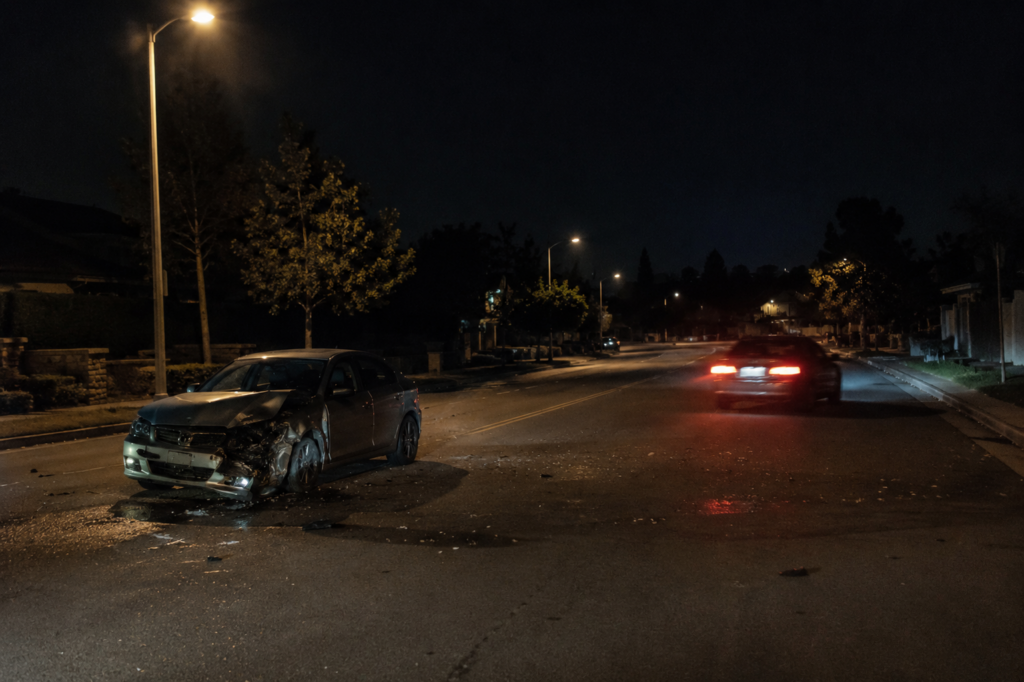
Being struck by a driver who immediately leaves the scene can leave victims feeling overwhelmed and uncertain about what comes next. In addition to dealing with injuries and vehicle damage, you may worry that you have no way to recover compensation because the responsible driver cannot be found.
Fortunately, fleeing the scene does not necessarily prevent you from pursuing a financial recovery. Kentucky law provides several avenues that may help injured victims obtain compensation, including uninsured motorist coverage and civil claims if the driver is later identified.
Understanding your legal rights early can make a significant difference in the outcome of your claim. If you were injured because another driver fled the scene, Isaacs & Isaacs Law Firm can help investigate the accident, preserve critical evidence, and explain the options available during a free consultation.
Key Takeaways
- A hit-and-run driver may face both criminal penalties and civil liability, but you may still pursue compensation even if the driver is never identified.
- Reporting the accident immediately allows law enforcement to begin an investigation while physical evidence, surveillance footage, and witness memories are still available.
- Evidence such as photographs, dashcam footage, eyewitness statements, and nearby security camera recordings can strengthen your claim and improve the chances of identifying the responsible driver.
- Kentucky drivers may have access to uninsured motorist coverage after a hit-and-run accident because unidentified drivers are often treated similarly to uninsured motorists for insurance purposes.
- Speaking with a personal injury attorney early can help preserve evidence, navigate insurance issues, and identify every available source of compensation.
What Is Considered a Hit-and-Run Accident?
A hit-and-run accident occurs when a driver involved in a collision leaves the scene without fulfilling the legal responsibilities required after a crash.
Under Kentucky law, drivers involved in an accident generally have duties that may include:
- Stopping at or near the scene
- Providing identifying and insurance information
- Rendering reasonable assistance to injured individuals
- Notifying law enforcement when required
Kentucky’s duties following a motor vehicle accident are outlined in KRS 189.580. Leaving the scene without meeting these obligations may result in criminal penalties in addition to potential civil liability.
Whether the collision involves another vehicle, a pedestrian, a bicyclist, or parked property, fleeing the scene does not eliminate the driver’s responsibility for the harm they caused.
What Should You Do Immediately After a Hit-and-Run Crash?
The actions you take immediately after the accident can significantly affect both your health and your ability to recover compensation.
Call 911 and Seek Medical Attention
Your safety should always come first.
Even if your injuries appear minor, seek prompt medical evaluation. Conditions such as concussions, internal injuries, whiplash, and soft tissue damage may not produce symptoms immediately.
Medical records also create important documentation connecting your injuries to the accident.
Do Not Attempt to Chase the Driver
Many victims instinctively want to follow a fleeing driver.
However, pursuing the vehicle may place you and others at greater risk. Instead, try to remember as many identifying details as possible, including:
- License plate numbers or partial plate information
- Vehicle make and model
- Vehicle color
- Distinctive damage
- Business logos or decals
- The direction the vehicle traveled
Even seemingly minor details may assist law enforcement during the investigation.
Document the Accident Scene
If you are physically able to do so, gather evidence before the scene changes.
Take photographs of:
- Vehicle damage
- Roadway conditions
- Debris
- Tire marks
- Traffic signals and signs
- Weather and lighting conditions
- Visible injuries
The more information preserved immediately after the collision, the stronger your claim may become.
Why Is Reporting the Accident So Important?
Promptly reporting a hit-and-run accident serves several important purposes.
First, it allows law enforcement officers to begin searching for the fleeing driver while evidence is still fresh.
Second, many insurance companies require policyholders to report accidents within a reasonable period. Delayed reporting could complicate your insurance claim.
Finally, a police report creates an official record documenting:
- The date and location of the crash
- Initial witness statements
- Officer observations
- Vehicle damage
- Any evidence collected at the scene
This documentation often becomes valuable during insurance negotiations or litigation.
How Can Evidence Help Identify the Fleeing Driver?
Although some hit-and-run drivers are never identified, modern technology and prompt investigation have improved the chances of locating responsible motorists.
Surveillance Cameras
Many intersections, businesses, parking lots, and nearby homes have surveillance cameras.
Video footage may capture:
- The collision itself
- The fleeing vehicle
- License plate information
- The direction of travel
- Nearby traffic immediately before and after the crash
Because many surveillance systems automatically overwrite recordings within days or weeks, obtaining this evidence quickly is critical.
Dashcam Footage
Dashcams have become increasingly common.
Footage from your own vehicle or another nearby driver may provide valuable evidence regarding:
- The collision
- Vehicle movements
- Driver behavior
- Identifying features of the fleeing vehicle
Even if the license plate is not visible, video footage may still help investigators narrow their search.
Witness Statements
Independent witnesses often notice details that injured victims understandably miss during the confusion of a collision.
Witnesses may recall:
- A partial license plate
- Vehicle descriptions
- Driver characteristics
- The sequence of events
- The direction the driver fled
Obtaining contact information before witnesses leave the scene can strengthen both the police investigation and your injury claim.
Here’s Part 2 of the article:
What Compensation Options Are Available in Kentucky?
Even when the at-fault driver cannot immediately be identified, you may still have avenues for recovering compensation.
Personal Injury Protection (PIP) Benefits
Kentucky is a no-fault insurance state. Most motorists carry Personal Injury Protection (PIP) coverage under the Kentucky Motor Vehicle Reparations Act.
After a hit-and-run accident, your PIP benefits may help cover certain economic losses regardless of who caused the collision, including:
- Medical expenses
- A portion of lost wages
- Replacement services in some situations
While PIP benefits can provide immediate financial relief, they may not fully compensate you for the extent of your losses.
Uninsured Motorist Coverage
One of the most important sources of recovery after a hit-and-run accident is uninsured motorist (UM) coverage.
Under KRS 304.20-020, insurers issuing motor vehicle liability policies in Kentucky are generally required to offer uninsured motorist coverage. Because a driver who flees the scene often cannot be identified, the incident may qualify as an uninsured motorist claim under your policy.
Depending on your coverage and the facts of your case, uninsured motorist benefits may help compensate you for:
- Medical expenses exceeding PIP benefits
- Lost income
- Pain and suffering
- Permanent disability
- Other covered damages
Although you are dealing with your own insurance company, UM claims can still become disputed. Your insurer may question liability, the severity of your injuries, or whether the accident qualifies for coverage. An attorney can help protect your interests throughout the claims process.
Filing a Claim if the Driver Is Later Identified
Sometimes law enforcement identifies the fleeing driver days, weeks, or even months after the collision.
If that happens, you may be able to pursue a personal injury claim against the at-fault driver’s liability insurance. Depending on the circumstances, you may also seek compensation through a lawsuit if insurance coverage is unavailable or insufficient.
A civil claim may allow you to recover damages beyond what is available through no-fault benefits or uninsured motorist coverage.
How Long Do You Have to File a Hit-and-Run Claim?
Kentucky law places time limits on many motor vehicle accident claims.
Under KRS 304.39-230, many injury claims arising from motor vehicle accidents must generally be filed within two years from the date of the accident or the last payment of applicable no-fault benefits, whichever occurs later.
Waiting too long can make it more difficult to preserve evidence, locate witnesses, and protect your legal rights. Speaking with an attorney as soon as possible helps ensure important deadlines are not missed.
How Can a Personal Injury Lawyer Help After a Hit-and-Run Accident?
Hit-and-run cases often require more extensive investigation than other car accident claims.
An experienced attorney can:
- Work with law enforcement during the investigation
- Request and preserve surveillance footage before it is erased
- Interview witnesses
- Obtain accident reconstruction evidence when appropriate.
- Identify all available insurance coverage
- Handle communications with insurance companies
- Calculate the full value of your damages
- Pursue litigation if a fair settlement cannot be reached
Even when the at-fault driver remains unknown, an attorney can evaluate whether uninsured motorist coverage or other sources of compensation are available.
Expert Tips
- Report the accident immediately, even if you believe the fleeing driver cannot be found. Prompt reporting increases the likelihood of locating surveillance footage, witnesses, and other valuable evidence.
- Seek medical treatment as soon as possible. Some injuries become more noticeable hours or days after a collision, and early medical records help establish a connection between the accident and your injuries.
- Preserve every piece of evidence related to the crash, including photographs, repair estimates, medical bills, and communications with insurance companies. These records can strengthen your claim.
- Avoid speculating about fault or discussing the accident extensively with insurance adjusters before understanding your legal rights. Statements made early in the claims process may later be used to challenge your claim.
- Consult a personal injury attorney if the driver cannot be identified or your insurer disputes your uninsured motorist claim. Legal guidance can help you pursue every available source of compensation.
Frequently Asked Questions
Can I recover compensation if the hit-and-run driver is never found?
Yes. Depending on your insurance policy and the circumstances of the accident, you may be able to recover compensation through uninsured motorist coverage and Personal Injury Protection benefits. An attorney can review your policy and explain your options.
Is leaving the scene of an accident illegal in Kentucky?
Yes. Kentucky law generally requires drivers involved in an accident to stop, provide identifying information, and render reasonable assistance when appropriate. Leaving the scene may result in criminal penalties as well as civil liability.
Will my uninsured motorist coverage apply to a hit-and-run accident?
It may. Because unidentified drivers are often treated as uninsured motorists for insurance purposes, uninsured motorist coverage may provide benefits if your claim satisfies your policy’s requirements and Kentucky law.
What evidence is most important after a hit-and-run accident?
Photographs, surveillance footage, dashcam recordings, witness statements, police reports, and medical records are all valuable forms of evidence. Acting quickly helps preserve information that may otherwise be lost.
Should I hire a lawyer if my insurance company is handling the claim?
It is often beneficial to consult an attorney, especially if your injuries are significant, liability is disputed, or your insurer questions your uninsured motorist claim. A lawyer can protect your rights and help pursue the full compensation available under the law.
References
Kentucky General Assembly
https://legislature.ky.gov/
Kentucky Court of Justice
https://kycourts.gov/
Kentucky Revised Statutes § 189.580 (Duty Upon Accident)
https://legislature.ky.gov/
Kentucky Revised Statutes § 304.20-020 (Uninsured Motorist Coverage)
https://legislature.ky.gov/
Kentucky Revised Statutes § 304.39-230 (Motor Vehicle Reparations Act Limitations Period)
https://legislature.ky.gov/
Kentucky State Police
https://kentuckystatepolice.ky.gov/
National Highway Traffic Safety Administration
https://www.nhtsa.gov/
Know Your Options After a Kentucky Hit-and-Run Accident
A hit-and-run accident can leave you with more questions than answers, but the driver’s decision to flee does not necessarily prevent you from recovering compensation. Through prompt reporting, careful evidence collection, and available insurance coverage, many injured victims still have viable legal options under Kentucky law.
If you were injured in a hit-and-run accident, Isaacs & Isaacs Law Firm can evaluate your case, investigate the circumstances of the crash, and help you pursue the compensation you deserve. Contact our team today for a free consultation to discuss your legal rights and the next steps in your recovery.