
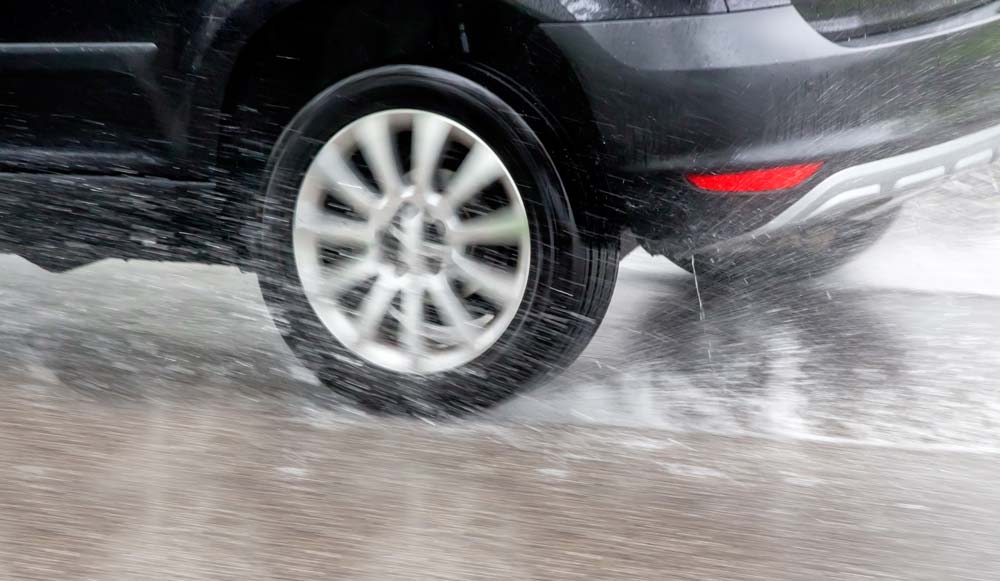
Rain may seem routine, but wet roads significantly increase the risk of serious car accidents. Each year in the U.S., about 75% of weather‑related crashes happen on wet pavement, and 47% occur during rainfall, leading to roughly 5,700 deaths and more than 544,700 injuries annually. When an insurer tries to blame “bad weather” instead of negligent driving, Isaacs & Isaacs is not afraid to stand up to their tricks and schemes to fight for the compensation you deserve.
Why Rainy Roads Cause So Many Crashes
Rain affects both visibility and traction, and many drivers underestimate how dangerous that combination can be. The Federal Highway Administration reports that about 77% of weather‑related crashes involve rain or wet pavement, more than snow and ice combined. Studies of precipitation and fatal crashes show that the risk of a deadly crash increases measurably even in light rain, and can more than double during heavy downpours due to reduced visibility and hydroplaning.
Common causes of rainy‑weather accidents include:
- Driving too fast for wet conditions and failing to increase following distance.
- Worn tires or poor vehicle maintenance that reduce grip on slick pavement.
- Sudden braking, sharp steering, or using cruise control, which can trigger or worsen hydroplaning.
When another driver ignores these well‑known risks and causes a crash, “it was raining” is not a valid excuse, it is evidence they failed to drive safely for the conditions.
What to Do Immediately After a Rainy‑Road Accident
The minutes after a crash on wet roads can be chaotic, especially with traffic, low visibility, and ongoing rain. These steps can protect your safety, your health, and your legal rights:
- Get to safety and prevent further collisions
If you can, move vehicles out of active lanes and turn on hazard lights so other drivers can see you in the rain. If moving the car is impossible, stay buckled, turn on hazards, and wait for help if the roadway is too dangerous. - Call 911 and report the crash
Even if injuries seem minor, call the police so an official report is created; this record is vital for insurance and any injury claim. Let dispatch know if the road is slick, visibility is poor, or other vehicles are involved. - Check for injuries and get medical care
Check yourself and your passengers; call for an ambulance if anyone is hurt or feels unwell. Even if you think you are fine, see a doctor soon—some crash‑related injuries appear hours or days later. - Document the scene, if it is safe
Take photos or video of vehicle damage, skid marks, standing water, weather conditions, traffic signals, and any visible injuries. Note where water was pooling or where you believe the other driver lost control or followed too closely. - Exchange information but watch what you say
Exchange names, contact details, driver’s license numbers, and insurance information with the other driver, but do not admit fault or say “I’m sorry,” as insurers may twist these statements against you. - Notify your insurer and speak with a car accident lawyer
Report the crash to your insurance company, but be cautious about giving recorded statements or accepting quick settlements before understanding your injuries. Talking with an experienced car accident lawyer can help you avoid common insurance traps and protect your claim.
How Isaacs & Isaacs Fights Insurance Tricks After Rainy‑Road Crashes
Insurance companies often argue that rain, not their insured driver, caused the crash, or claim you were equally at fault for “driving in bad weather.” Isaacs & Isaacs knows how to push back by:
- Investigating the crash, including police reports, scene photos, weather data, and witness statements, to show the at‑fault driver was speeding, tailgating, distracted, or otherwise careless for the conditions.
- Challenging lowball offers and delay tactics by clearly documenting your medical treatment, lost income, and the long‑term impact of the crash on your life.
When a motor vehicle accident on rainy roads upends your life, Isaacs & Isaacs stands between you and insurance schemes, fighting for the full compensation you need to recover and move forward.